
Aloe vera is a well-known plant in today’s generation for its qualities and healing uses. Still rabbits have stomachs and special food needs. Therefore owners must know how safe aloe vera is before giving it to rabbits.
And we think that Rabbits must never be eat aloe vera. Aloe vera has that type of components those may disturb rabbit’s stomach.
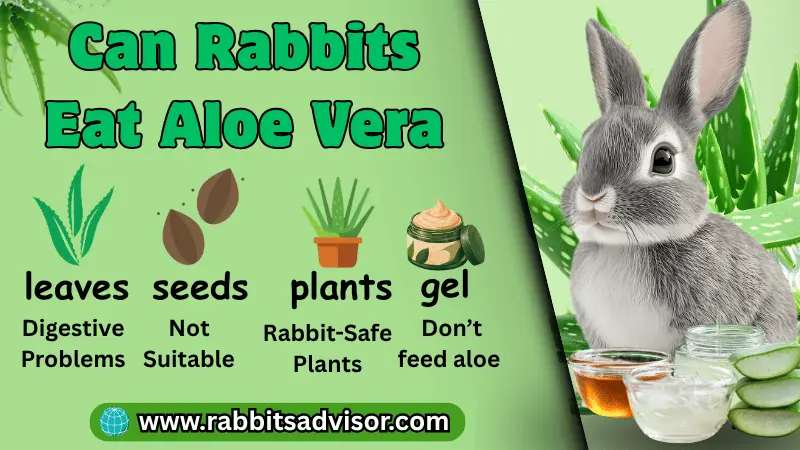
When rabbits consume Aloe vera, they might be get diarrhea. In some cases rabbits may need help from a vet. Rabbits should never eat aloe vera or its plant parts.
Can Rabbits Eat Aloe Vera?
No, they cannot safely consume aloe vera as a food. Aloe vera is a natural substance that can upset rabbit’s digestion system. The yellow latex inside aloe vera has aloin, a laxative. This aloin can cause diarrhea and other stomach troubles.
Read More: Do Rabbits Eat Dahlias (Plants & Flowers)? Yes or Not
Rabbits rely on gut bacteria for proper digestion. Irritating substances can disturb the sensitive rabbit stomach. As a result rabbits eating aloe vera can face health issues. Therefore never give aloe vera to rabbits as a treat or vegetable.
Benefits of Eating Aloe Vera
For humans: Aloe Vera helps reduce swelling and fights germs.
It contains vitamins A, C and E along with minerals such, as calcium, magnesium and potassium.
Aloe vera also has enzymes and amino acids that help digestion and support the body’s functions.
For rabbits: We use aloe vera gel in our rabbit care to treat cuts and burns. You can try it on your rabbits too; it works well.
Potential Health Risks for Rabbits
Eating aloe vera to rabbits may lead to health risks including:
Read More: Do Rabbits Eat Hostas (Plants + Leaves)? Myths & Facts
Problems: Rabbits have stomachs that easily get upset by diet changes. By feeding rabbits aloe vera can cause diarrhea, bloating and other stomach troubles.
Dehydration: Aloin can make rabbits lose fluids fast which can lead to dehydration and electrolyte problems. We have seen rabbits suffer dehydration.
Kidney damage: In cases aloin toxicity can hurt the kidneys causing kidney failure and other serious health issues. We have watched kidneys fail, in rabbits.
Intestinal damage: Anthraquinone glycosides can harm the lining causing inflammation and irritation. We have seen rabbits with irritation.
Because of these risks it is best to keep rabbits from eating aloe vera. If you looking your rabbit has eaten aloe vera call the vet immediately. The vet can show you how to give treatment to any symptoms and stop health problems of rabbits.
Can Rabbits Eat Aloe Vera Leaves?
No, rabbits should have to avoid aloe vera leaves. Aloe vera leaves Inside holds gel and yellow latex. These both parts can cause problems if rabbits chew or swallow them.
The outer leaf has a fibrous green cover. Rabbits may chew plants out of curiosity. Curiosity does not make every plant safe. So you should have to keep rabbits away from the aloe vera leaves or its plants.
Can Rabbits Eat Aloe Vera Seeds?
No, they do not eat Aloe vera seeds and do not give its seeds to them. Aloe vera plants make seeds inside dried fruit capsules. These seeds give no needed nutrition for rabbits. Also it is not known if those seeds are safe for rabbits.
Read More: Can Rabbits Eat Parsnips? Leaves, Raw, Tops, & Skin
Let’s always avoid feeding rabbits the seeds and garden plants. Some seeds contain substances that can upset rabbit’s digestion. Also hard seeds can cause choking. Pick rabbit- vegetables instead of experimental plant foods.
Do Wild Rabbits Eat Aloe Vera Plants?
They may encounter them. Nonetheless just because a plant is visible does not mean that rabbits enjoy consuming the plant. We notice that wild rabbits typically seek out grasses, herbs and leafy vegetation, for sustenance.
Rabbits’ dietary options depend on the plants that are close by and those that they can access. Also wild rabbits often stay away, from plants they do not know. Aloe vera has a taste and strong leaves that do not taste good. However some rabbits might still check out plants.
What To Do If Your Rabbit Eats Aloe Vera?
First take away any remaining aloe vera away. Then stop rabbits from chewing leaves or gel. Check if rabbits swallowed any aloe vera material.
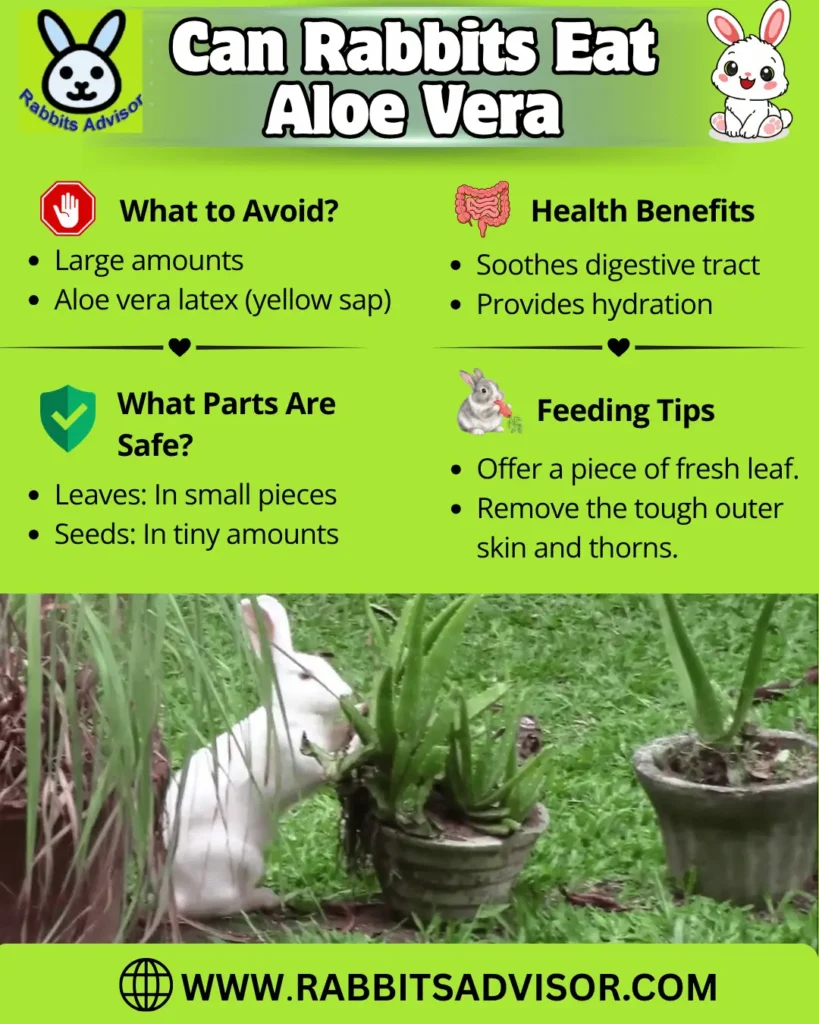
Next call a rabbit vet away. Tell the vet what type of aloe vera and how much rabbits ate. Also say when rabbits first ate the aloe vera if you can keep a picture of the aloe vera.
Watch rabbits closely for behavior or symptoms. Common warning signs include diarrhea and less appetite. You may also see rabbits hurt in the belly or very tired. And if its low droppings it can mean rabbit’s stomach trouble.
Rabbits cannot vomit, so you have to care about the rabbit that never try to make a rabbit vomit at home. Your rabbits should not receive medicines or unapproved home remedies. Rabbits should not have food or water forced into their mouths. Rabbits should follow the instructions of a veterinarian about monitoring and treatment.
Can Rabbits Eat Aloe Vera in Water?
Rabbits cannot safely eat aloe vera in water. Actually rabbits should have to avoid aloe vera. Adding aloe vera gel into its drinking water does not guarantee safety for rabbits. Aloe Vera’s natural compounds may still cause irritation in rabbits.
Read More: Do Rabbits Eat Grasshoppers? A Look at Bunny Diets
Moreover, aloe vera water offers no advantage, to rabbits. Rabbits need drinking water throughout each day. Rabbits should have water in a regularly cleaned bowl.
And, rabbits should have dirty water replaced and drinking supplies checked frequently. Rabbits should never consume aloe vera juice, gel or extracts because of its small belly problem.
Why Is Aloe Vera Harmful to Rabbits?
Aloe vera have some type of natural chemicals that can affect rabbits. The yellow latex of Aloe vera contains aloin and related anthraquinone compounds that can create effects, in rabbits. As a result, when rabbits consume Aloe vera, it can lead to diarrhea and digestive upset.
Diarrhea can become particularly dangerous for animals. Rabbits can develop dehydration and serious digestive complications. Rabbit’s digestive systems require fiber intake and healthy movement. Therefore unsuitable plants can disrupt rabbit’s normal digestion.
Safe Alternatives to Aloe Vera for Rabbits
Rabbits enjoying in eating suitable vegetables and leafy greens. However rabbit owners should introduce foods gradually and carefully. Fresh grass hay should remain rabbit’s daily food. Fresh grass hay provides fiber to them that supports digestion and teeth for rabbits.
Consider these rabbit- options in suitable portions:
Romaine lettuce provides hydration and useful dietary nutrients for rabbits.
Coriander offers an option for occasional feeding of rabbits.
Basil provides variety when rabbits tolerate herbs.
Parsley supplies nutrients. Requires sensible portion control for rabbits.
Bok Choy offers another leafy green option for rabbits.
Carrot tops provide variety alongside rabbits hay.
You must rinse all the vegetables well before giving them to the rabbits. We give one type of food to the rabbits at a time. And, you watch how much the rabbits eat what the rabbits poop and how the rabbits’ stomach works after each food. We do not change the rabbits’ diet because that can upset the rabbits’ digestion.
How Do You Keep Aloe Vera from Rabbits?
Many households grow aloe vera as an indoor plant that rabbits may investigate. However curious rabbits may investigate leaves and containers. Therefore place aloe vera plants outside rabbits areas.
Read More: Do Rabbits Eat Cosmos (Flowers + Plants)? Facts and Myths
Use shelves or separate rooms for indoor plants to protect rabbits. Never leave leaves within rabbits reach. Even remove plant cuttings away after gardening tasks to ensure the safety of rabbits. Keep gardening supplies and fertilizers out of that areas where the rabbits are feeding.
FAQs (Frequently Asked Questions)
Final Thoughts
Aloe vera does not belong in a rabbit’s diet it is a natural compounds may irritate digestion. Cause complications in rabbits. Therefore keep aloe veras leaves, gel, seeds and extracts inaccessible to rabbits. Instead provide hay, suitable greens and clean water for rabbits. Importantly contact your veterinarian after any accidental ingestion by rabbits.
Please consult a veterinarian for personalized care. This information is not a substitute, for veterinary advice. It is intended for general education.
If this article is valuable for you, then please share it along with your friends, family members, pet lovers or relatives over social media platforms like as Facebook, Instagram, LinkedIn, Twitter, and more.
Do you have any experience, tips, tricks, or query regarding on this? You can drop a comment!
Have a Nice Day!


